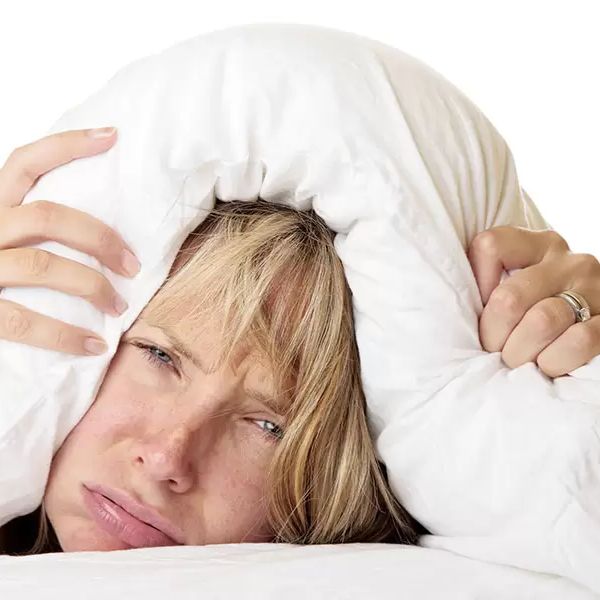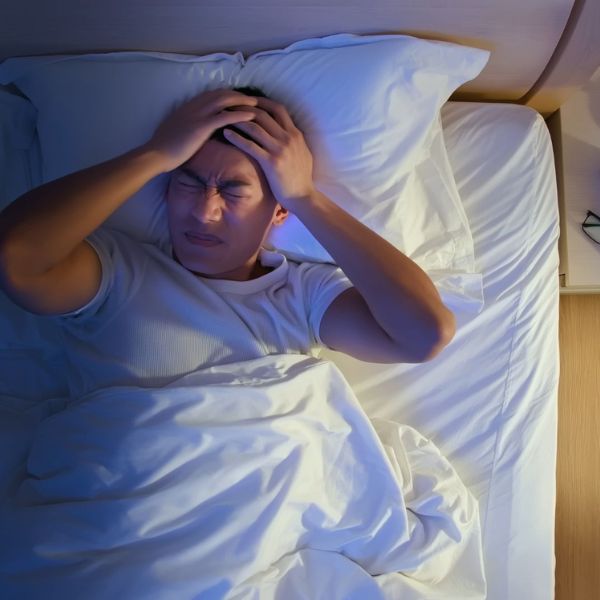
Sleep and Relaxation Disorders

Sleep and Relaxation Disorders, Insomnia, and Sleep Issues Care at Luminate Behavioral Health

Sleep is vital to mental clarity, emotional stability and physical health, but most people have difficulties with Sleep and Relaxation Disorders, such as chronic Insomnia and persistent Sleep Problems. At Luminate Behavioral Health, we offer evidence-based care that is compassionate and aimed at assisting people to regain normal sleep patterns and enhance their well-being. As a holistic mental health provider, we assist patients in re-establishing a healthy sleep and better daily functioning.

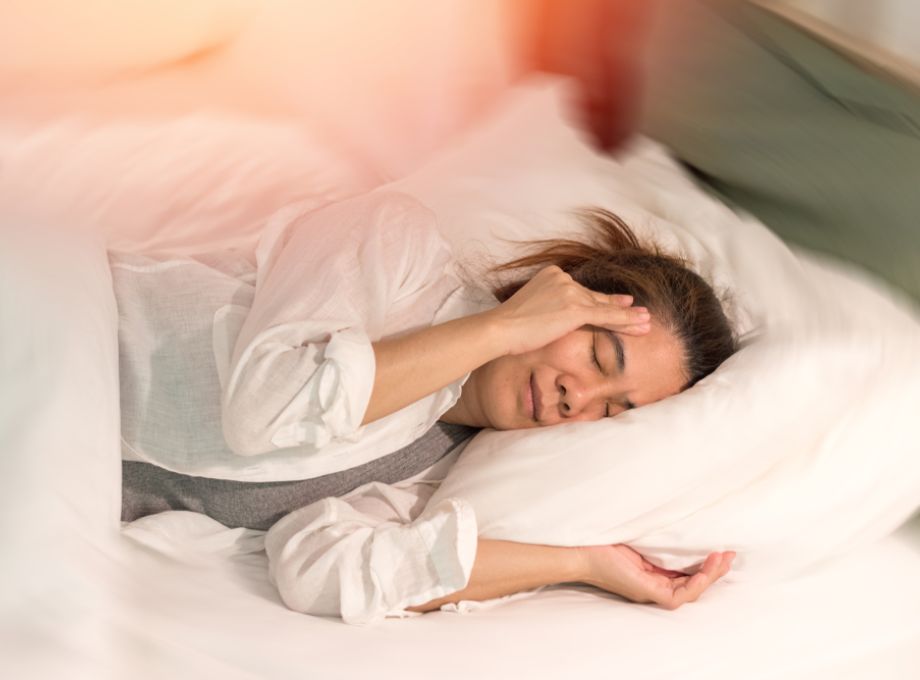
Understanding Sleep and Relaxation Disorders and Their Impact


Sleep and relaxation disorders are conditions that impact both the body and the mind and, in most cases, result in fatigue, irritability, lack of concentration and reduced productivity.


Insomnia and chronic sleep issues can be considered conditions that can severely interfere with emotional control and predispose to the development of anxiety and depression. The extent to which sleep impacts the overall wellness is underestimated by many people.


Sleep deprivation may suppress immunity, deteriorate memory and decrease quality of life. The first step to recovery is to understand these disorders. In Luminate Behavioral Health, we teach patients about how sleep cycles, stress, and mental health are interconnected and enable patients to control their sleep patterns and start their healing process.

Common Causes of Insomnia and Sleep Issues


The causes of insomnia and sleep issues may be varied and include both physical and psychological and lifestyle-related factors. Some of the most prevalent causes include stress and anxiety, which commonly lead to racing thoughts that result in insomnia. Normal sleep patterns may also be disturbed by depression, trauma, and chronic worry.


Furthermore, sleep and relaxation disorders can be aggravated by excessive screen time, disturbed sleep patterns, caffeine intake, and some medications. It can also be caused by medical conditions like chronic pain or hormonal imbalances. These underlying causes are critical to effective treatment, and clinicians need to develop specific interventions that can be used to treat symptoms and underlying problems.

Comprehensive Evaluation and Diagnosis for Sleep Problems


The diagnosis of insomnia and sleep issues is important to treat them correctly. At Luminate Behavioral Health, we perform comprehensive assessments, including sleep history, mental health, lifestyle habits, and possible medical factors.


Patients can be requested to monitor sleep patterns with the help of sleep diaries or standardized tests. This assists in determining whether sleep and relaxation disorders are primary or secondary to other disorders like anxiety or depression.


Our diagnosis methodology guarantees that we do not miss any of the contributing factors and this provides a holistic view of the situation of each patient. This careful assessment lays the foundation for a personalized and effective treatment plan.

Evidence-Based Treatment for Insomnia and Sleep Issues


Sleep and relaxation disorders treatment at Luminate Behavioral Health is based on evidence-based practices. Cognitive Behavioral Therapy of Insomnia (CBT-I) is frequently a first line treatment, and it assists patients to rethink their negative beliefs about sleep and acquire more healthy sleep habits. Other treatment approaches can be stress management, relaxation training, and mindfulness-based interventions.


Medication management can be suggested in certain instances as a short-term approach. We aim to minimize the use of sleep aids and encourage natural and restful sleep. Every treatment plan is designed to meet the severity and underlying causes of Insomnia and Sleep Issues.

Lifestyle Strategies to Improve Sleep and Relaxation Disorders Recovery


Treatment of sleep and relaxation disorders may involve significant lifestyle changes along with clinical intervention. Having a regular sleep schedule, establishing a relaxing bedtime ritual, and reducing screen time before bed can greatly enhance the quality of sleep. Exercise and proper dieting are also significant in the control of sleep patterns.


Limiting the consumption of caffeine and alcohol, particularly at nighttime, can be used to reduce the disturbances brought about by Insomnia. Deep breathing, journaling, and meditation are other stress management methods that promote relaxation.


These lifestyle interventions, together with professional care, can improve long-term recovery of Sleep Issues and overall mental wellness.

Frequently Asked Questions?

What are typical symptoms of Insomnia?

The main symptoms include trouble sleeping, waking up at night, and experiencing fatigue even after spending sufficient time in bed.

Yes, chronic Sleep and Relaxation Disorders may pose a risk of anxiety, depression, and mood instability.

The length of treatment depends on the individual, although in most cases, improvement is achieved in a few weeks to several months with regular therapy.

No, most of the cases can be treated with behavioral therapy and lifestyle modification without prolonged use of medication.

In case Sleep Problems last longer than a couple of weeks or disrupt normal functioning, consultation with a professional is suggested.