Transcranial Magnetic Stimulation (TMS) at Luminate Behavioral Health
At Luminate Behavioral Health, we believe in providing evidence-based mental health care that is innovative and can assist patients to take charge of their lives. Transcranial magnetic stimulation (TMS) is one of our most sophisticated treatment options; it is a non-invasive, FDA-cleared treatment method that is offered to people who have not responded to conventional medications or psychotherapy.
Our TMS Therapy programs are tailor-made to address the underlying causes of treatment-resistant depression, OCD, and other mood disorders with safe magnetic pulses that induce certain parts of the brain. Our TMS for treatment-resistant depression/OCD can be the breakthrough you need whether you are looking to find alternatives to medication or long-term relief.
What is Transcranial Magnetic Stimulation (TMS)?
Transcranial magnetic stimulation (TMS) is a non-invasive treatment method of brain stimulation involving the application of localized magnetic fields to stimulate inactive areas of the brain related to mood regulation.
It is mainly employed in the treatment of resistant depression and OCD particularly when the patient has failed to respond positively to the antidepressant drugs.
Compared to the medication-based treatment, TMS is not sedative, not surgical, and does not influence your capacity to work during or after the treatment sessions.
At Luminate Behavioral Health, we apply sophisticated procedures of TMS therapy to guarantee accuracy, comfort, and clinical efficacy.
How TMS Therapy Works for Treatment-Resistant Depression/OCD
TMS therapy is a method that uses repetitive magnetic pulses to the specific sections of the brain especially the prefrontal cortex that is a major part of mood regulation.
These magnetic pulses are used to stimulate underactive neural circuits and over time enhance communication between brain regions that are involved in depression/OCD.
In the long run, improved mood, emotional regulation, and a reduction in symptoms associated with depression and OCD.
The usual course of Transcranial magnetic stimulation (TMS) is a series of sessions per day during a few weeks, each session taking approximately 20-40 minutes.
Repetitive TMS (rTMS) for Treatment-Resistant Depression/OCD
The most researched and commonly used type of TMS is repetitive TMS (rTMS). It entails the provision of repetitive magnetic pulses in organized patterns to bring about lasting alterations in the brain activity.
At Luminate Behavioral Health, our Repetitive TMS (rTMS) protocols are precisely designed to meet the clinical needs of each patient.
This technique is especially useful with those who are experiencing:
1. Treatment-resistant depression/OCD
2. Depression/OCD symptoms of anxiety.
3. Constant low mood and tiredness.
4. Problem with responding to antidepressant drugs.
By stimulating brain activity consistently over time, rTMS helps support long-term emotional stability and improved quality of life.
What to Expect at Luminate Behavioral Health
The process of Transcranial magnetic stimulation (TMS) starts with an in-depth assessment at Luminate Behavioral Health. Our clinical team will evaluate your symptoms, medical history, and treatment objectives to know whether TMS Therapy will suit you.
During each session:
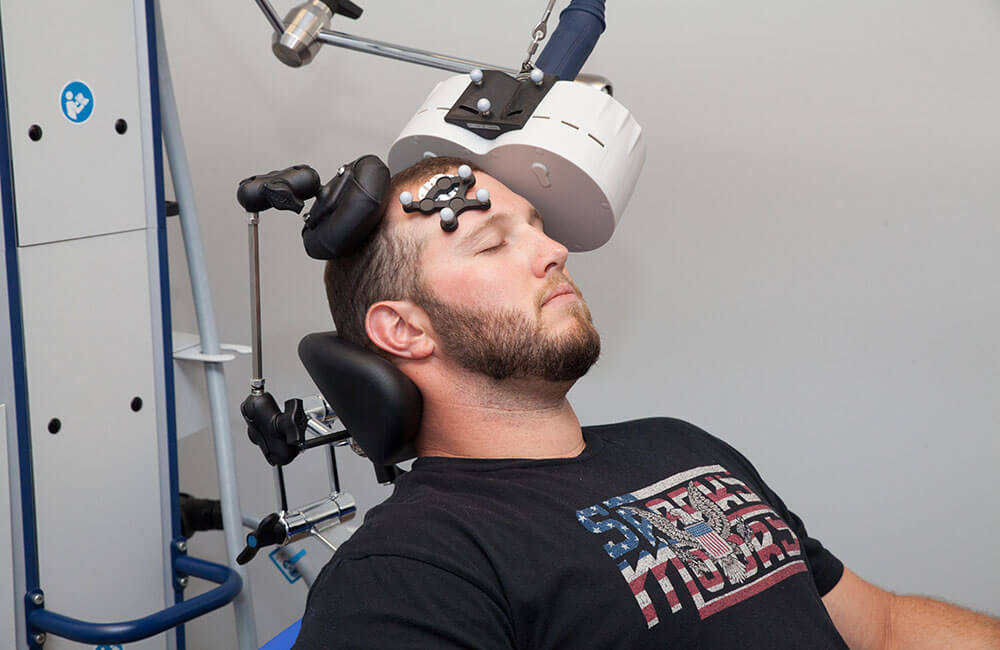
1. You will be sitting in a reclining chair.
2. A coil of magnets will be put on your head.
3. During treatment, you might experience light tapping.
4. The duration of the sessions is usually less than one hour.
There is no anesthesia required, and you remain awake and alert throughout the process. The majority of patients receive treatment five days a week over a number of weeks.
Why Choose Luminate Behavioral Health for TMS Therapy?
At Luminate Behavioral Health, we are committed to patient-centered care that is compassionate and integrates the latest technology.
We provide TMS for Treatment-Resistant Depression/OCD with the following approach:
1. Personalized treatment planning.
2. Skilled mental health practitioners.
3. Repetitive TMS (rTMS) evidence-based protocols.
4. Continued assistance during your recovery.
Our mission is to assist those who have been battling with treatment-resistant depression, OCD, and related mental health challenges to find renewed hope and lasting relief.
Frequently Asked Questions?
What conditions does Transcranial Magnetic Stimulation (TMS) treat?
TMS Therapy is primarily used to treat treatment-resistant depression (TRD) and obsessive-compulsive disorder (OCD). In some cases, it may also help reduce anxiety symptoms as part of a comprehensive treatment plan.
Is TMS for Treatment-Resistant Depression/OCD safe?
Yes. Transcranial Magnetic Stimulation (TMS) is FDA-approved and is deemed safe when performed by qualified practitioners. The side effects are mild and short-term.
How long does Repetitive TMS (rTMS) take to work?
Other patients experience improvement in 2-3 weeks, and some experience slow improvement throughout the course of treatment, which takes several weeks.
Does TMS Therapy require medication?
No. TMS Therapy is a non-medication therapy, but some patients might still take current prescriptions as advised by the provider.
Can I continue daily activities after TMS sessions?
Yes. No recovery time is required after TMS Depression Treatment and you can go back to work, school or normal activities right after.